
For Clinicians

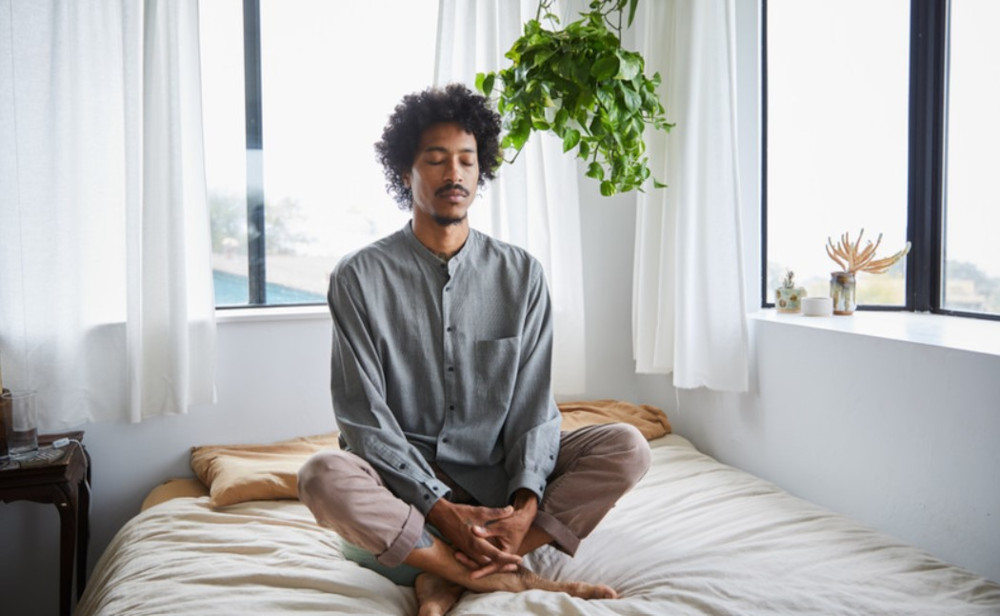
Person practicing yoga for anxiety at home, sitting cross-legged in meditation with eyes closed, focusing on breath and body awareness to support nervous system regulation.
Yoga for Anxiety: Mechanisms, Evidence, and Clinical Context

Yoga for Anxiety: Mechanisms, Evidence, and Clinical Context

Anxiety is not only a pattern of thoughts. It is a physiological state marked by altered breathing, cardiovascular arousal, and changes in brain networks that govern attention and interoception. Yoga for anxiety targets these mechanisms with movement, breath regulation, chanting and sound, and structured relaxation. Clinical research on yoga for anxiety consistently shows measurable reductions in both symptom severity and physiological arousal.

Woman practicing Child's Pose
Why You Feel Too Much or Not Enough: Trauma, Sensitivity, and the Interoception Skills Yoga Therapy Restores

Why You Feel Too Much or Not Enough: Trauma, Sensitivity, and the Interoception Skills Yoga Therapy Restores

Many people living with trauma or chronic stress quietly wonder why ordinary life feels harder than it should. Some describe themselves as "too sensitive." Others say, “I don’t feel anything until it’s too late.” Both experiences are far more common than most people realize, and neither is a character flaw. From a nervous system perspective, feeling too much or not enough is simply a learned survival strategy.

Sign up for our newsletter

"*" indicates required fields

This field is for validation purposes and should be left unchanged.
Name*
I am...*