
For Doctors

Woman with psychosomatic symptoms with hands over her chest
Psychosomatic Symptoms: What They Are and Are They Real?

Psychosomatic Symptoms: What They Are and Are They Real?

There is a particular kind of confusion that comes up when symptoms don’t have a clear medical explanation. Something feels off in the body. There may be pain, tightness, fatigue, dizziness, or a range of other sensations that are noticeable and sometimes disruptive. There is no clear diagnosis. At some point, the word “psychosomatic” gets introduced, and that often raises more questions than it answers. For many people, it lands as: so this isn’t real. That interpretation tends to miss what is actually happening.

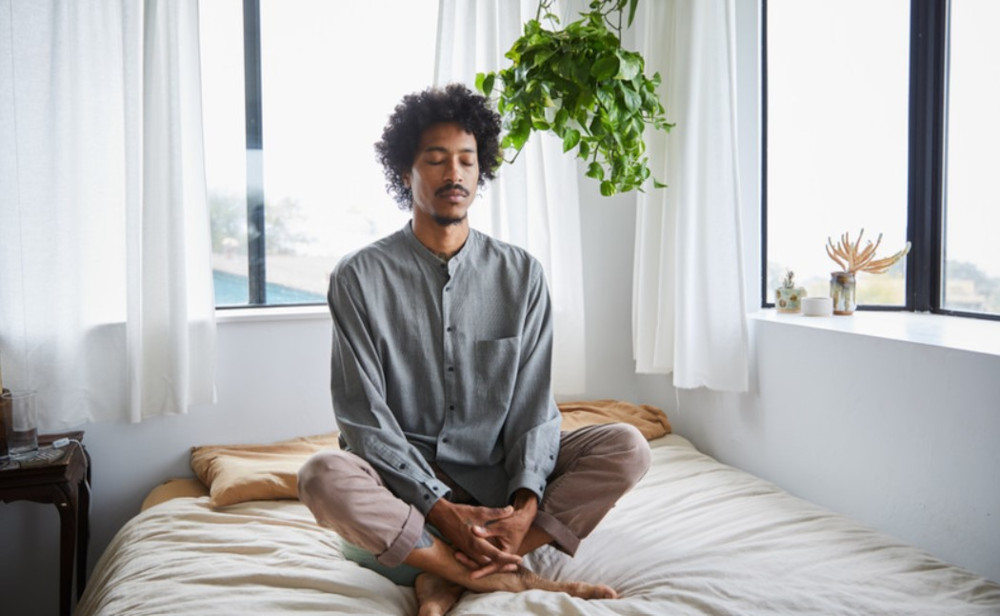
Person sitting thoughtfully by a window in a bedroom, representing trauma recovery, chronic stress healing, nervous system regulation, and the experience of understanding trauma while still feeling stuck in the body.
Why You Understand Your Trauma But Still Feel Stuck in Your Body

Why You Understand Your Trauma But Still Feel Stuck in Your Body

There is a particular kind of frustration that shows up when someone has done a lot of work on their trauma and still feels the same in their body.

They understand what happened. They have talked about it, sometimes in depth. They can see the patterns clearly and make sense of their reactions. And yet, when something triggers them, their body still responds in the same way.

At some point, the question becomes: Why does this still live in my body when I understand it so well?

Woman breathing in the park
Breathwork, Breathing, and Understanding Your Breath: Your Questions Answered

Breathwork, Breathing, and Understanding Your Breath: Your Questions Answered

We’re often told to "just breathe" whenever life gets stressful, but for many of us, that’s easier said than done. If you’ve ever felt like your breath is "stuck" in your chest, or if taking a deep inhale actually makes you feel more anxious, you aren't doing it wrong. Your body is simply navigating a breathing pattern that has been shaped by stress, habit, or tension. In this article, we answer your questions about breathing.

Person practicing yoga for anxiety at home, sitting cross-legged in meditation with eyes closed, focusing on breath and body awareness to support nervous system regulation.
Yoga for Anxiety: Mechanisms, Evidence, and Clinical Context

Yoga for Anxiety: Mechanisms, Evidence, and Clinical Context

Anxiety is not only a pattern of thoughts. It is a physiological state marked by altered breathing, cardiovascular arousal, and changes in brain networks that govern attention and interoception. Yoga for anxiety targets these mechanisms with movement, breath regulation, chanting and sound, and structured relaxation. Clinical research on yoga for anxiety consistently shows measurable reductions in both symptom severity and physiological arousal.

Sign up for our newsletter

"*" indicates required fields

This field is for validation purposes and should be left unchanged.
Name*
I am...*